jlph63 | Exploring the Intricacies of Strategy Games: A Deep Dive into Tactics and Planning
Exploring the Intricacies of Strategy Games: A Deep Dive into Tactics and Planning
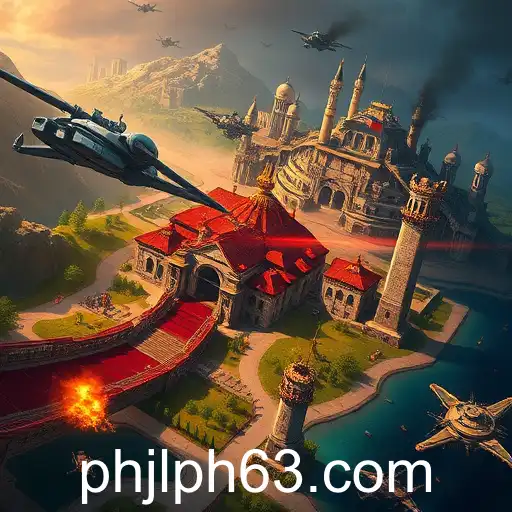
Strategy games have long captivated the minds of players due to their emphasis on critical thinking, tactical planning, and decision-making under pressure. Unlike many other gaming genres that prioritize reflexes or visual acuity, strategy games require players to out-think their opponents, exercise long-term planning, and adapt to ever-changing scenarios. This article delves into the fascinating world of strategy games, revealing why they continue to maintain a strong foothold in the gaming industry.
At their core, strategy games are about commanding resources, leading troops, and achieving objectives through a deliberate and calculated approach. These games often unfold on expansive maps or neatly crafted boards where every move can have significant repercussions. Many strategy games fall into one of two broad categories: turn-based strategy (TBS) games and real-time strategy (RTS) games.
Turn-based strategy games, such as the Civilization series and XCOM, allow players the time to think through their actions meticulously. Players can ponder over each move, contemplating the myriad potential outcomes before committing to a course of action. This format is perfect for those who enjoy a slower pace and prefer to weigh all options thoroughly before executing their strategy. Each decision feels like a moment of destiny, as players build empires, forge alliances, and wage wars to achieve ultimate victory.
On the other hand, real-time strategy games, like StarCraft and Age of Empires, keep players on their toes with fast-paced action. There is no room for second-guessing; players must stay alert and ready to react to their opponent's moves in real-time. This genre tests one's ability to multitask efficiently, manage resources swiftly, and make instant tactical decisions. The immediate feedback and rapid shifts make RTS games thrilling experiences that require both mental agility and dexterous execution.
Strategy games are not only engaging but also educational. They often simulate complex systems, from economics to politics, providing players with insights into leadership, management, and operational tactics. Players can hone their skills in diplomacy, resource allocation, and strategic foresight—traits that are valuable in real-world scenarios.
Moreover, with advances in technology, the strategy game genre has seen remarkable evolutions. Improved artificial intelligence provides players with challenging opponents, while multiplayer options enable global competition. The strategic possibilities are seemingly endless, encouraging innovation and sustained interest from players around the globe.
In conclusion, strategy games remain an essential part of the gaming industry by offering intellectual stimulation alongside entertainment. Whether you're planning your next move in a turn-based game or reacting to developments in a real-time scenario, strategy games invite players into worlds where cleverness reigns supreme. For those who love to strategize, plot, and plan, this genre offers endless opportunities to test and expand one's mental fortitude.
Gaming Industry Trends and Insights
Explore the latest trends and developments in the gaming industry for 2025, with a focus on the impact of online gaming platforms.
The Rise of Online Gaming: A New Era
Exploring the impact and future of online gaming platforms as key influencers in digital culture.
The Growing Influence of Online Gaming in Modern Culture
Exploring the impact of the online gaming world in 2025, highlighted by platforms like jlph63 and their role in shaping modern digital dynamics.
The Evolution of English Game Platforms
A deep dive into how English gaming platforms like jlph63 are adapting and evolving in the current digital age.